Sandalwood Powder for Skin: Benefits, Uses, How to Apply It, and What Science Says
Walk into almost any Indian household during a wedding season, and someone will eventually mix a spoonful of sandalwood powder with a little water or milk and dab it onto their face. It's one of those habits that gets passed down without much explanation - your grandmother did it, so you do it too. Chandan, as it's known across most Indian languages, has held a steady place in skincare routines for generations, long before "Ayurvedic" became a marketing word on a bottle. But popularity and evidence aren't the same thing. Some of what sandalwood is credited for holds up reasonably well when you look at the research; some of it doesn't hold up at all, at least not yet. This article tries to separate the two - what's rooted in tradition, what cosmetic use actually delivers, and what has been tested in a lab or a clinic. The goal isn't to talk you into or out of using sandalwood powder, but to give you an honest picture so you can decide for yourself.
What Is Sandalwood Powder?
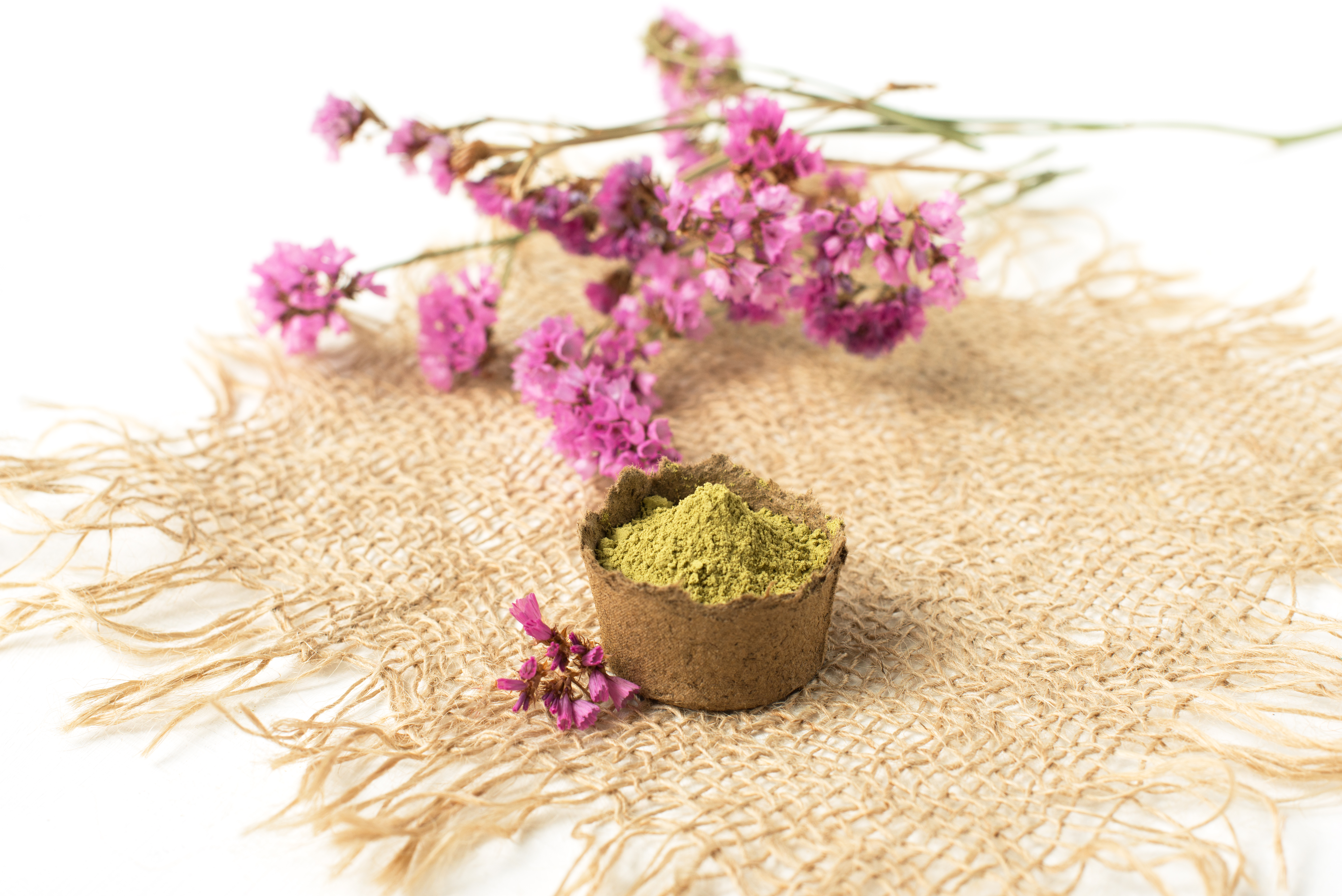
Sandalwood powder is made by grinding the heartwood of the sandalwood tree, most often Santalum album (Indian sandalwood) or, less commonly, red sandalwood (Pterocarpus santalinus, which is botanically unrelated despite the shared name). The heartwood - the dense, fragrant core of a mature tree - is dried and milled into a fine powder that ranges from pale beige to reddish-brown depending on the species and region.
This is different from sandalwood essential oil, which is steam-distilled from the same heartwood to extract its aromatic compounds, chiefly alpha-santalol and beta-santalol, in concentrated liquid form. Powder retains the wood's fibrous, mineral, and aromatic components in a much less concentrated state; oil is a purified extract used in tiny quantities, usually a few drops at a time. This distinction matters more than it might seem, because a lot of what's written online about "sandalwood's benefits" is actually research conducted on the oil, not the powder you'd mix into a paste at home.
Why Has Sandalwood Been Used in Ayurvedic Skincare?
In Ayurvedic thought, sandalwood (Chandan) is classified as a cooling substance, traditionally used to pacify what's described as excess Pitta - the quality associated with heat, inflammation, and irritation in the body. This is why Chandan paste has long been applied to the forehead and skin during hot weather, after sun exposure, or when skin feels irritated or flushed.
Its worth being clear that this is a traditional system of classification, not a clinical diagnosis framework, and describing something as "Pitta-pacifying" is a statement about Ayurvedic theory rather than a scientifically verified mechanism. That doesn't make the tradition meaningless - plenty of long-standing practices have reasonable observational grounding - but it's a different category of claim than a peer-reviewed clinical result, and this article tries to keep the two separates throughout.
Beyond Pitta-balancing, sandalwood paste has also carried religious and cultural significance in India, used in temple rituals and ceremonial markings, which is part of why it feels so familiar even to people who've never thought of it as a "skincare ingredient" in the modern sense.
Potential Benefits of Sandalwood Powder for Skin
Here's a breakdown of what's commonly said about sandalwood powder, with each claim placed in its proper context.
A soothing, cooling feel on application. This is well supported by direct experience and traditional use - a water-based paste has an evaporative cooling effect on the skin, similar to any wet clay or powder mask. This is a physical, sensory effect rather than a medicinal one.
A refreshed appearance after use. Mostly a cosmetic effect. Gently removing surface debris and applying a mask that's rinsed off after 10–15 minutes tends to leave most skin looking a little brighter and feeling smoother, regardless of the specific powder used.
Helping absorb excess surface oil. This is a reasonable, physically explainable claim - a dry powder mixed into a paste can draw some moisture and oil to the surface as it dries, similar to how clay masks work. It's a temporary, mechanical effect rather than a change in how much oil the skin produces.
Use in traditional face packs. Well documented as a long-standing practice, particularly combined with rose water, milk, or besan (gram flour), though "traditional" describes how long something has been used, not how well it's been scientifically validated.
Supporting a calmer-looking complexion. Anecdotally common, and plausible given the cooling and mildly astringent nature of a powder mask, but there isn't strong human clinical evidence specifically for sandalwood powder (as opposed to the oil) reducing redness or inflammation in a measurable way.
What Does Modern Research Say About Sandalwood?
Most of the clinical and laboratory research on sandalwood's skin effects has focused on sandalwood essential oil and its isolated compounds, alpha-santalol and beta-santalol, not on the powder form.
A study published in Phytotherapy Research found that purified alpha-santalol and beta-santalol suppressed the production of several inflammatory cytokines and chemokines in skin cell cultures, and also reduced markers linked to inflammation in a manner that resembled how nonsteroidal anti-inflammatory compounds work, which offers a plausible laboratory-level explanation for sandalwood oil's traditional reputation as a calming ingredient. A review in Anticancer Research also referenced a clinical trial in which a sandalwood oil–containing regimen was used over eight weeks in patients with mild to moderate facial acne, with most participants tolerating it well and a majority showing some improvement. Separately, sandalwood album oil has been studied in small clinical trials for its dermatological potential, with a review in the Journal of Clinical and Aesthetic Dermatology noting that sandalwood oil has shown anti-inflammatory, antimicrobial, and antiproliferative activity in laboratory and clinical research, and has been trialed for conditions including acne, psoriasis, eczema, and common warts, generally with a favorable safety profile.
These are meaningful findings, but two caveats are important. First, these studies involve concentrated essential oil, sometimes combined with other active ingredients like salicylic acid, applied under controlled conditions - not a home-mixed paste of sandalwood powder and water. Second, most of the acne and inflammation trials involve small sample sizes and specific formulations, so they establish that sandalwood-derived compounds are biologically active, not that a face pack from your kitchen will replicate clinical results. Whether the compounds present in sandalwood powder, at the concentrations achieved in a simple paste, produce a comparable effect on skin hasn't been directly studied in the same way. Until that specific research exists, it's more accurate to describe sandalwood powder's skin benefits as plausible and rooted in a related evidence base, rather than proven in their own right.
Sandalwood Powder for Different Skin Types
Oily skin: Often the skin type that reports getting along best with sandalwood powder masks, since the drying, oil-absorbing effect of a powder paste tends to suit oilier skin more than drier skin.
Combination skin: Can work well when applied selectively - for instance, focused more on the T-zone - rather than as a uniform full-face treatment.
Normal skin: Generally, tolerates an occasional sandalwood mask without issue, though "normal" skin still varies a lot between individuals.
Dry or sensitive skin: Needs more caution. A plain water-based paste can be drying for already-dry skin, so pairing sandalwood powder with a more hydrating base (like yogurt or aloe vera gel) and using it less frequently tends to be the more sensible approach. Sensitive skin should always be patch tested first, since fragrant plant powders are a recognized potential source of irritation for some people.
None of this means sandalwood powder is unsuitable for any one skin type across the board - it means the format, frequency, and combination ingredients matter more than the powder itself.
How to Use Sandalwood Powder on the Face
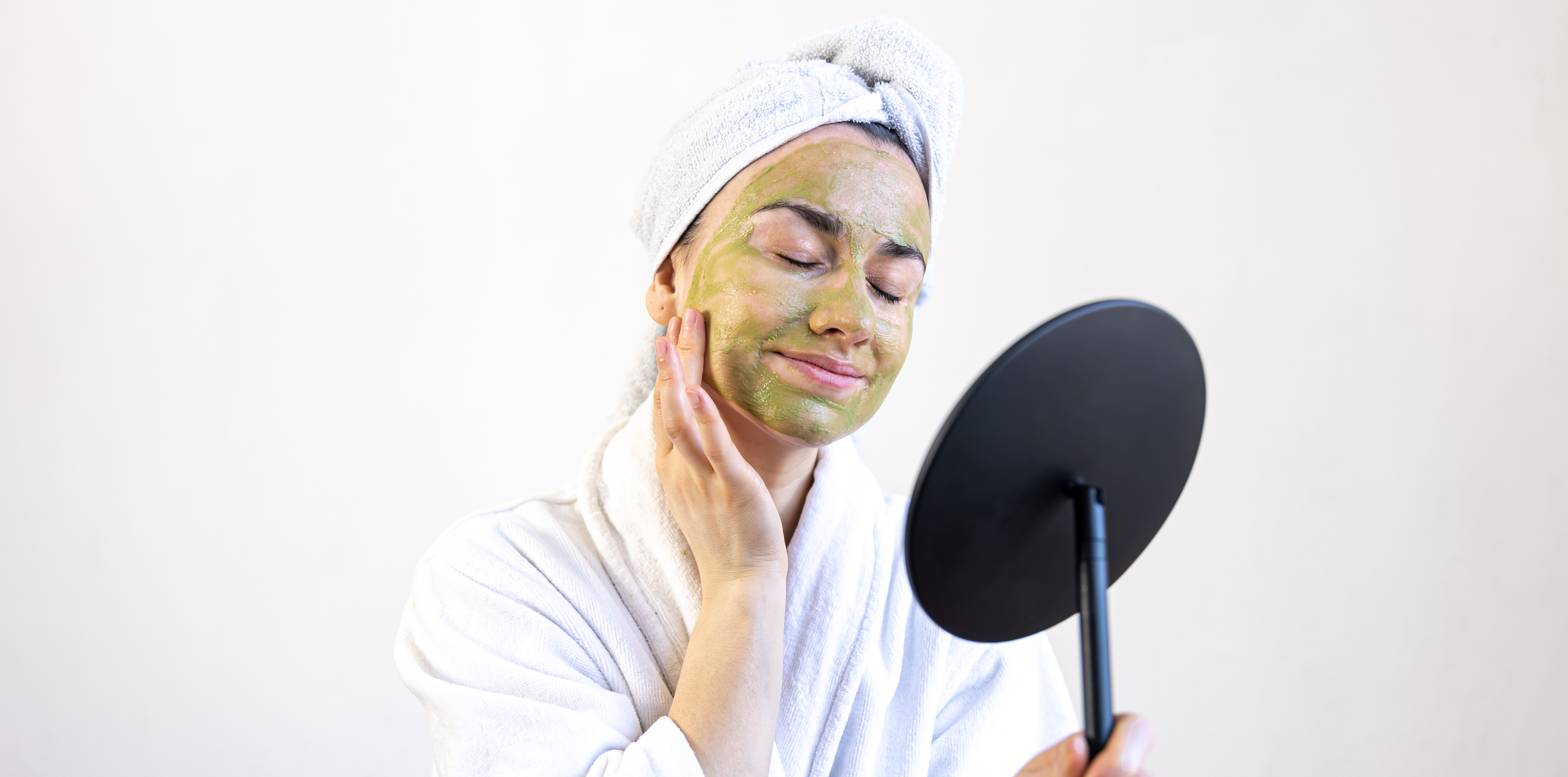
A basic sandalwood face pack usually starts with one to two teaspoons of sandalwood powder mixed with enough liquid to form a smooth, spreadable paste - not too runny, not too thick. Common liquid bases include:
Water - the simplest option, suited to most skin types for an occasional mask.
Rose water - often chosen for its mild, cooling fragrance and lighter feel on the skin.
Aloe vera gel - a gentler, more hydrating option that may suit dry or sensitive skin better than a plain water paste.
Yogurt or milk - traditionally used bases that add some moisture, though dairy sensitivity is worth keeping in mind.
Apply the paste to clean, dry skin, avoiding the eye area and any broken or irritated skin. Leave it on for roughly 10 to 15 minutes - not until it's fully dried and cracking, which can be more irritating than beneficial - then rinse off gently with lukewarm water. None of these combinations should be treated as medically validated treatments; they're traditional preparations with a reasonable safety record for most people, used for their cosmetic effect rather than as therapy for a diagnosed skin condition.
How Often Should You Use Sandalwood Powder?
There isn't a scientifically established "correct" frequency, and claims of a universal schedule - such as insisting it must be used exactly two or three times a week for everyone - aren't backed by evidence. What matters more is how your specific skin responds. Some people find that once a week suits them fine; others with more resilient, oilier skin may tolerate more frequent use. If skin starts to feel tight, flaky, or irritated, that's a signal to reduce frequency or stop altogether, not a sign to push through it.
Sandalwood Powder for Oily Skin: What to Know
The oil-absorbing quality of a sandalwood powder mask is one of its more genuinely useful cosmetic effects for oily skin, since the powder can help pull some surface oil away as the paste dries. That said, this is a temporary, surface-level effect rather than a way to regulate how much oil the skin glands produce. Using it too often, or leaving the mask on until it's completely dry and tight, can strip more moisture than intended - which sometimes triggers oilier skin to overcompensate by producing even more oil. Moderation, not frequency, tends to be the more useful principle here.
Can Sandalwood Powder Help With Acne or Pimples?
Sandalwood's traditional association with acne-prone skin is genuinely old, tied to its classification as a cooling, Pitta-balancing substance in Ayurveda. On the scientific side, laboratory and small clinical studies on sandalwood oil and its constituents (alpha-santalol and beta-santalol) have shown antimicrobial and anti-inflammatory activity relevant to acne, including one trial where a sandalwood oil–based regimen was associated with improvement in facial acne over an eight-week period.
What this doesn't establish is that sandalwood powder, mixed into a home paste, acts as an acne treatment. The concentration and delivery of active compounds in a diluted powder paste is very different from a formulated oil-based product tested in a clinical trial. Sandalwood powder shouldn't be presented, marketed, or relied on as a treatment for acne, and anyone dealing with persistent, painful, or scarring acne is better served consulting a dermatologist, who can offer options backed by direct clinical evidence for that specific concern.
Can Sandalwood Powder Remove Dark Spots or Pigmentation?
This is one of the areas where traditional claims tend to run ahead of the evidence. A sandalwood face pack can leave skin looking temporarily brighter immediately after use - a combination of gentle surface exfoliation, hydration, and the simple effect of freshly cleansed skin. That's a real but short-lived cosmetic effect, not evidence of actual pigment reduction.
There is no solid human clinical evidence that sandalwood powder treats hyperpigmentation, melasma, or dark spots in any lasting way, and it shouldn't be marketed or expected to deliver skin lightening or an even, permanently changed skin tone. Pigmentation concerns that are persistent or bothersome are generally better addressed with a dermatologist, who can identify the underlying cause and recommend options with stronger supporting evidence.
Sandalwood Powder vs. Sandalwood Oil
Aspect
Sandalwood Powder
Sandalwood Essential Oil
Form
Dry, ground heartwood
Concentrated, steam-distilled liquid extract
Typical use
Mixed into a paste or mask with water, rose water, or similar bases
Used in very small amounts, often blended into formulated skincare or aromatherapy products
How it's prepared
Heartwood dried and milled into fine powder
Steam distillation of heartwood to extract aromatic compounds
Common skincare application
Occasional face packs and masks
Formulated serums, creams, or diluted blends; rarely used undiluted
Evidence limitations
Mostly traditional use and cosmetic observation; limited direct human clinical research on the powder itself
More laboratory and small clinical research exists, but on isolated compounds and concentrated formulations, not necessarily applicable to home use
Safety considerations
Generally considered low risk for most people with patch testing; fragrance sensitivity possible
More concentrated, higher risk of irritation if used undiluted; should not be applied directly to skin without proper dilution
Possible Side Effects and Safety Precautions
Sandalwood powder is generally considered low risk for most people, but "natural" doesn't mean automatically risk-free, and a few precautions are worth keeping in mind:
Patch test first. Apply a small amount to the inner forearm and wait 24 hours before using it on the face, especially if you have sensitive or reactive skin.
Watch for irritation. Redness, stinging, itching, or a burning sensation are signs to stop use.
Allergic reactions are possible, though uncommon, and can include contact dermatitis in sensitive individuals.
Fragrance sensitivity is a real consideration, since sandalwood is aromatic and some people react to natural fragrance compounds the same way they might to synthetic ones.
Avoid broken or severely irritated skin. Don't apply sandalwood paste over open cuts, active breakouts that are inflamed or weeping, sunburned skin, or eczema flare-ups.
Keep away from the eyes and the delicate skin immediately around them.
Stop if irritation develops, and don't try to push through discomfort expecting it to resolve on its own.
How to Choose a Good Quality Sandalwood Powder
Since sandalwood powder is largely unregulated as a cosmetic ingredient in most markets, some care in choosing a product is worthwhile:
Check the ingredient list. A genuine sandalwood powder should ideally list sandalwood as the sole or primary ingredient, without vague terms like "fragrance blend" standing in for what's actually inside.
Look for clear labeling of the species used (Santalum album versus red sandalwood, for instance), since these have different origins and properties.
Consider packaging and storage. Powder stored in opaque, airtight packaging tends to retain its quality better than powder exposed to light, air, and moisture over time.
Be wary of unusually cheap products claiming to be "pure sandalwood," since genuine Indian sandalwood is a regulated, relatively costly raw material, and unusually low prices can be a sign of dilution or substitution with fillers.
Avoid products with undisclosed fillers or artificial fragrance added purely to intensify scent, since this changes both the safety profile and the honesty of what you're applying to your skin.
This isn't a claim that any particular brand is more "pure" than another - it's general guidance for reading labels critically, which applies regardless of which product you eventually choose.
How to Add Sandalwood Powder to a Simple Skincare Routine
A sandalwood face pack works best as an occasional addition to a basic routine rather than a replacement for it. A simple structure might look like: gentle cleansing to remove dirt and makeup, an occasional sandalwood mask once skin is clean, followed by a suitable moisturizer once the mask is rinsed off, and daily sunscreen during the day regardless of whether a mask was used that morning. It's also worth avoiding over-exfoliation - layering a sandalwood mask on top of frequent chemical or physical exfoliants can leave skin more sensitized than either used on its own. Sandalwood powder is a traditional addition to a routine, not a substitute for the fundamentals a dermatologist would generally recommend: cleansing, moisturizing, and sun protection.
Common Mistakes People Make When Using Sandalwood Powder
Using it far too frequently, assuming more use means better results
Leaving the mask on until it's fully dried and cracking, which can irritate rather than help
Scrubbing the paste off aggressively instead of rinsing gently
Applying it to already irritated, sunburned, or broken skin
Skipping a patch test, especially with a new brand or source of powder
Expecting instant, dramatic, or permanent changes from an occasional mask
Frequently Asked Questions
Is sandalwood powder good for the face?
It's generally well tolerated as an occasional mask when patch-tested first, and is valued more for its cooling, mattifying feel than for treating any particular skin condition. Results and tolerance vary from person to person.
Can sandalwood powder be used on oily skin?
Yes - many people with oily skin find that a sandalwood paste helps absorb surface oil and leaves skin feeling less shiny. It's still worth using in moderation, since overuse can leave skin feeling dry or tight.
How do you make a sandalwood face pack?
A simple version is one to two teaspoons of sandalwood powder mixed with plain water or rose water into a smooth paste, applied to clean skin for about 10 to 15 minutes, then rinsed off with lukewarm water.
Can sandalwood powder help with pimples?
It has a long traditional association with acne-prone skin, and related research on sandalwood oil compounds shows anti-inflammatory and antibacterial activity. That evidence doesn't directly transfer to home-mixed powder, though, so it shouldn't be treated as an acne treatment - persistent acne is better addressed with a dermatologist.
Can sandalwood powder remove pigmentation?
There's no solid human evidence that it removes or permanently lightens pigmentation. Any brightening seen after a mask is typically a short-lived cosmetic effect from cleansing and hydration, not an actual reduction in melanin.
How often can sandalwood powder be used?
There's no universal rule. Many people start with once or twice a week and adjust from there based on how their skin reacts, since overuse can cause dryness or irritation in any skin type.
Is sandalwood powder safe for sensitive skin?
It can be, but sensitive skin is also more prone to reacting to fragrant plant powders. A patch test and a diluted, shorter-contact application are sensible starting points, and any irritation is reason enough to stop.
What is the difference between sandalwood powder and sandalwood oil?
Powder is the ground heartwood, typically used as a paste or mask. Oil is a concentrated, steam-distilled extract used in much smaller amounts, often within formulated products. Most of the existing clinical research focuses on the oil and its isolated compounds, not the powder itself.
A Note on Choosing Products
If you're looking to try sandalwood powder in a face pack, the main things worth checking are a clear ingredient list, disclosed sourcing, and packaging that protects the powder from light and moisture. Readers researching options sometimes come across products like the Himaz Sandalwood Powder, 100gm, which is one example of a plain, single-ingredient sandalwood powder sold for face pack use - worth evaluating against the same label-reading criteria discussed above, rather than choosing based on marketing claims alone.
This article is for general informational purposes only and is not a substitute for professional medical advice, diagnosis, or treatment. Sandalwood powder is a traditional cosmetic ingredient, not a medically proven treatment for acne, pigmentation, or any other skin condition. If you have persistent, severe, or worsening skin concerns, or a known allergy to plant-based ingredients, please consult a qualified dermatologist or healthcare professional before trying a new skincare ingredient.